
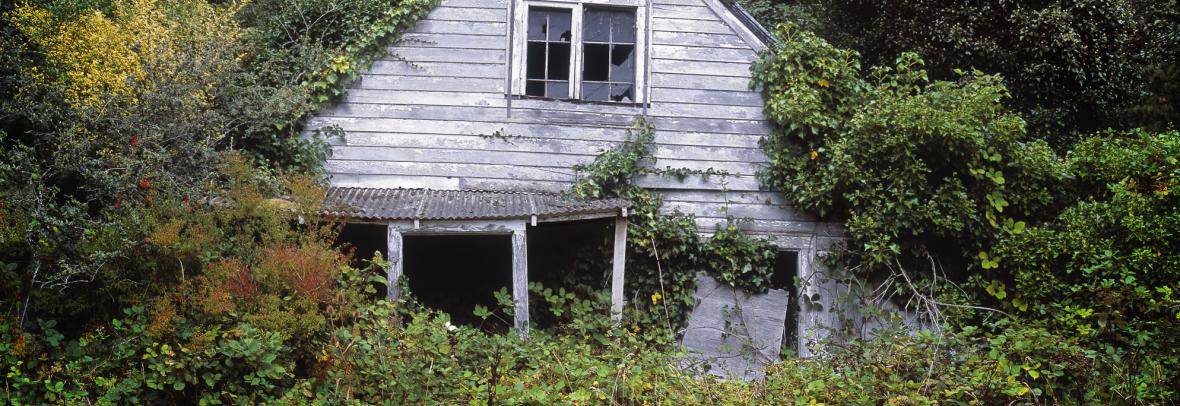
Why Long-Empty Homes Are More Than an Eyesore
Vacant and neglected homes can attract pests, wildlife and squatters, raising health and safety concerns for neighbors and putting pressure on nearby property values.
NEW YORK — A 2025 LendingTree study found that in the United States, there are an estimated 14.9 million properties sitting empty nationwide. Their presence can create challenges that extend beyond buyers seeking discounted properties.
In some markets, concentrations of vacant homes, including a subset known as "zombie" foreclosure properties, bring added risks for nearby homeowners and communities. Long-neglected properties can attract rodents, wildlife and other hazards that spread into surrounding, occupied homes.
Pest infestations tied to abandoned structures pose health risks and can lead to costly damage. Tom Cox, owner of Zap Termite and Pest Control, said, "Rats can spread disease through their urine and droppings, and a rat bite can also cause renal failure in humans and spread a number of diseases to your pet, including rat bite fever."
Prolonged vacancies may also invite squatters, creating legal and safety concerns that are difficult to resolve once occupancy occurs. Beyond quality-of-life issues, proximity to a severely neglected or condemned house can weigh on surrounding property values, making early intervention, local enforcement and community coordination important in limiting longer-term impacts.
Source: Realtor (01/26) Sartore-Bodo, Dina
© Copyright 2026 Smithbucklin