

The right info at the right time
A well-planned buyer or seller guide reinforces your value before, during and after the transaction.
Buyer and seller guides can serve as lead generation tools—both by attracting new clients and helping existing ones, thereby increasing referrals. “If somebody is confident in decision-making while going through [the buying or selling] process, then that is when the lead generation just comes,” says Lacy Horsley, broker-owner, Horsley Real Estate Group in Panama City. Just be mindful of how much information you provide and when you share it, she advises.
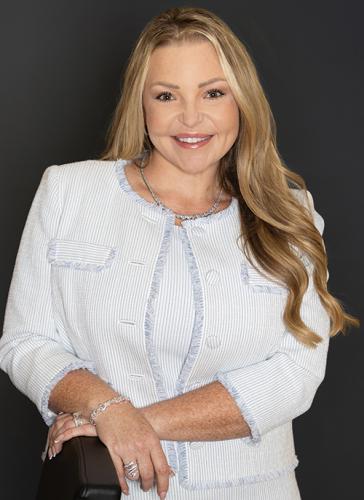
Here’s Horsley’s strategy.
1. Make it digestible.
“Part of my value is breaking down the most important things,” Horsley says. “If you dump too much info on people, it’s overwhelming.” Instead of handing clients one large guide, she gives them two- to three-page documents spelling out in bullet points what to expect at each stage of the buying or selling process.
2. Avoid being generic.
“In this digital age, where people have so much access to information, the traditional buyer or seller guide is so mass-produced that it’s not special anymore,” Horsley says. “You can literally go on Etsy and find a customizable digital download for $5. Once I saw that was where things were going, I thought, ‘I have to do things differently.’” Generic digital materials that look like any other agent’s handouts do little to reinforce your value. “If it’s not special, I’m not special,” she adds.
3. Don’t give it all away.
“At no point in time is there a mass load of information that replaces me because I have to be the guide,” Horsley says. The documents should be references or reminders, not replacements for real estate professionals.
4. Customize the info.
People love hearing their name in conversation—and love seeing a picture of their home in a document, Horsley says. She often includes a professional photo of her client’s property, along with timelines and dates specific to each transaction.
5. Ask for referrals.
Horsley ends each document with a referral request noting that her 21-year-old real estate business is 100% referral-based. “They’re seeing my value this whole time,” she says. “I never want to miss an opportunity. This is lead generation. If I am not asking, how do I generate leads from this?”
Horsley’s buyer and seller series starts with a short readiness handout that helps clients think through the details before the transaction gets underway. From there, the documents are sent at different stages instead of delivered all at once. For example, sellers receive different information before the walk-through, while the home is on the market and after the sale. Buyers get guidance during their home search, at the contract stage and after closing—including reminders about inspections, appraisals, utilities and insurance. She also uses the handouts to answer questions clients might not even know to ask and to eliminate confusion before it causes problems. “We want to make sure they are fully thinking about the details,” she says.
“Someone can Google what it is to buy or sell a house start to finish—you can have all that info dumped in your lap,” says Horsley. These documents are mere tools, she says, not substitutes for real estate professionals. The real guides are Realtors® who lead buyers and sellers through these processes.
Dina Cheney is a Connecticut-based freelance writer.