
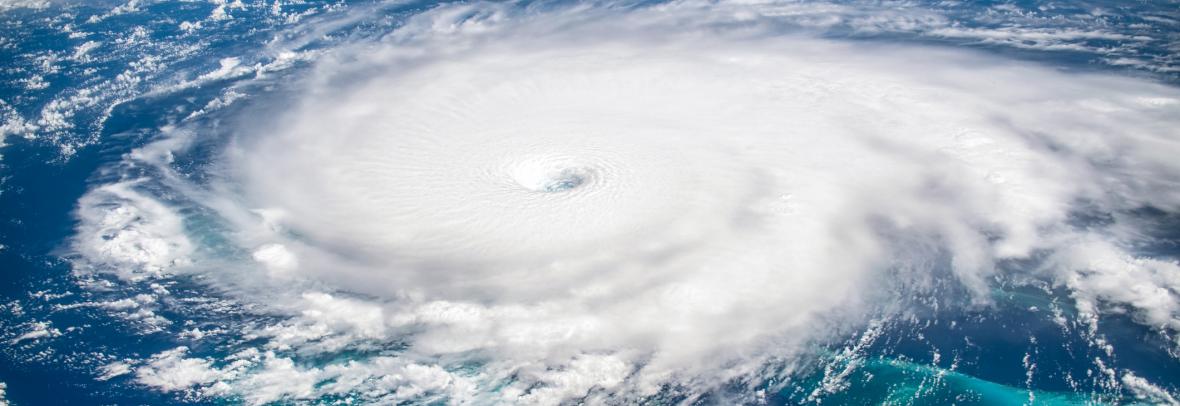
Early Hurricane Outlook Points to Fewer Storms
Florida still faces a 15% chance of a major hurricane along the East Coast and 20% along the Gulf Coast, according to one of several preseason forecasts.
ORLANDO, Fla. — The 2026 Atlantic hurricane season is expected to bring slightly below-average activity, but forecasters warn Florida residents should not let their guard down.
Researchers at Colorado State University predict 13 named storms this year, including six hurricanes and two major hurricanes of Category 3 strength or higher. That compares with a long-term average of about 14 named storms, seven hurricanes and three major hurricanes.
The Atlantic hurricane season runs from June 1 through Nov. 30, with peak activity typically occurring between August and October.
“So far, the 2026 hurricane season is exhibiting characteristics similar to the 2006, 2009, 2015 and 2023 seasons,” said Phil Klotzbach, a senior research scientist in the Department of Atmospheric Science at CSU.
CSU forecasters also outlined the probability of major hurricanes making landfall this year:
- 15% for the U.S. East Coast, including the Florida peninsula (average from 1880–2020 is 21%).
- 20% for the Gulf Coast from the Florida panhandle westward to Brownsville, Texas (average from 1880–2020 is 27%).
- 32% for the entire U.S. coastline (average from 1880–2020 is 43%).
- 35% for the Caribbean (average from 1880–2020 is 47%).
Several groups issue hurricane season forecasts each year, including Colorado State, Accuweather and NOAA (the National Hurricane Center), using ocean temperatures, wind patterns and climate signals to estimate activity.
In March, the meteorological company AccuWeather predicted 11 to 16 named storms in 2026, with four to seven reaching hurricane strength. The company anticipates some tropical development prior to the June 1 start of the six-month season due to “exceptionally warm waters.”
Forecasters at CSU say a developing El Niño pattern is the main reason for the quieter outlook. El Niño tends to increase upper-level winds over the Atlantic, creating wind shear that can disrupt storm formation and limit intensification.
Ocean temperatures are also sending mixed signals. Cooler waters in parts of the eastern Atlantic could suppress development, while warmer waters closer to the U.S. coastline, including areas near Florida, may still help fuel storms that do form.
Despite the lower storm count, experts emphasize that seasonal forecasts do not determine where storms will track.
“As with all hurricane seasons, coastal residents are reminded that it only takes one hurricane making landfall to make it an active season. Thorough preparations should be made every season, regardless of predicted activity,” CSU forecasters said.
© 2025 Florida Realtors®