
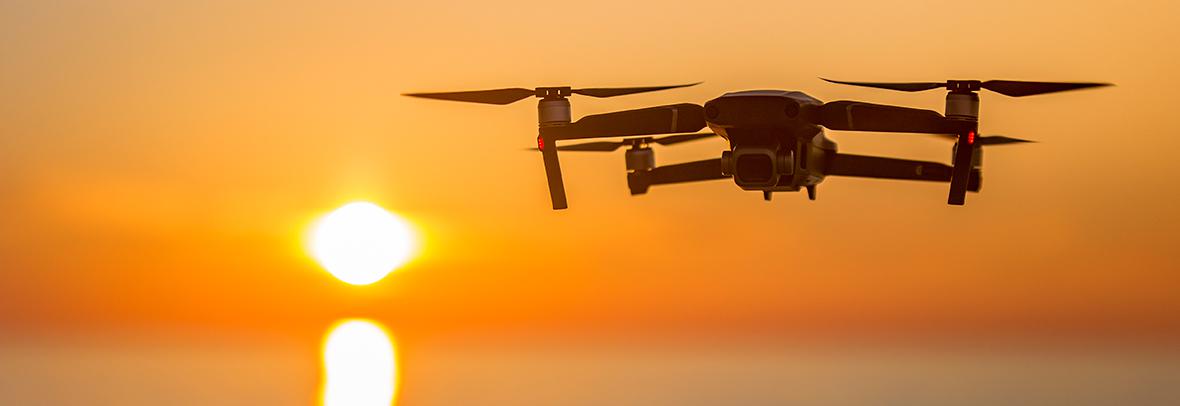
Luxury Listings From A Bird's-Eye View
Aerial imagery captured by a drone showcases far more than curb appeal.
In South Florida’s ultra-luxury market, a beautiful interior is only part of the story. Buyers also want to see the lot, nearby water, the surrounding landscape and the lifestyle that comes with the address. That’s one reason drone photography has become a regular part of Chad Carroll’s digital strategy. “Drone photography communicates something traditional photography can’t, which is context,” says the founder of The Carroll Group at Compass.
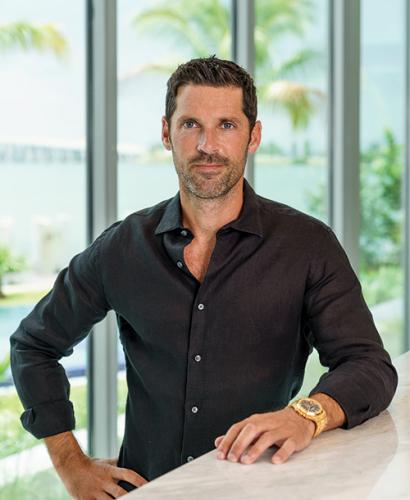
For Carroll and his team, who specialize in exclusive luxury waterfront homes and investment properties throughout South Florida and New York, aerial imagery isn’t about adding flashy visuals for the sake of it. It’s about helping buyers understand what makes a property special before they ever set foot inside.
Here are some of the main ways Carroll uses the tool:
1. Show the full story
“Once we saw how buyers were engaging more with listings that told that full story, it became a standard part of our approach.” That broader story is especially important for waterfront estates, large lots, golf course homes and properties with unique positioning.
At the same time, Carroll says not every property calls for it. “If you’re dealing with a more interior condo without meaningful views or a property where there’s nothing to showcase beyond the structure itself, it becomes less impactful.”
2. Don't cut corners
Carroll doesn’t view drone photography as an optional add-on. “At the luxury level, photography isn’t where you cut corners,” he says. “Drone photography is part of presenting the property at the highest possible level and attracting the right buyers. If it helps create a stronger perception, it pays for itself.”
That’s a consideration for agents weighing the added cost. The question is not just what drone photography costs, but what it contributes to the listing’s overall presentation and the kind of attention it will potentially help attract.
3. Hire a skilled professional
Choosing the right drone photographer or company also matters. Carroll says agents should look for more than someone who can simply fly the equipment. “You want someone who understands composition, lighting and how to highlight the lifestyle. The best way to vet them is by requesting prior work samples.”
He also recommends asking direct questions before the shoot. “You want to confirm licensing and insurance, that’s non-negotiable,” he says. “Beyond that, I’d focus on turnaround time, editing style and how they collaborate with your overall marketing vision.”
4. Prep the property, plan the shoot
Timing and preparation are key to a successful drone shoot, Carroll says. “Golden hour lighting is ideal, and weather has to cooperate, especially on the water.”
The property itself needs to be fully staged, with neat landscaping and pristine dock and pool areas. “Coordination is also key so the photographer knows exactly what angles and features matter most,” he adds. “If you have specific shots in mind, providing a shot list to the photographer in advance will make sure you’re on the same page.”
One of the most common mistakes agents make, Carroll says, is scheduling a drone shoot before a property is ready. “If the pool is dirty or the landscaping is messy, you lose an opportunity.”
Carroll’s advice is simple: Start with the goal, not the gadget. “Think about what you’re trying to highlight before you even book the shoot. Don’t use a drone just to use it.”
Leslie C. Stone is a Vero Beach-based freelance writer.